Regulation first
We start with what you’re required or committed to do, not with what we have to sell.
CFP Energy supplies biomethane across Europe. We help transport, heating and maritime businesses, as well as corporates and industrial companies, cut emissions from their gas use without changing their infrastructure.
We start with what you’re required or committed to do, not with what we have to sell.
Advice, sourcing, contracts and certificates in one place.
Transport, heating, maritime and voluntary buyers each get a strategy built for their rules.
Access to certified supply across multiple national registries.
Spot to long-term, fixed or indexed, certificate-only or physical.
Biomethane alongside carbon credits and other environmental products.
Biomethane is renewable gas made from organic waste, such as farm residues, food waste and sewage sludge. Once it’s upgraded and injected into the grid, it’s chemically identical to natural gas.
Your boilers, engines, vessels and processes keep running exactly as they do today.
Every unit is traced through certificates such as Guarantees of Origin and Proofs of Sustainability. That means the emission reductions you report can be audited and defended.
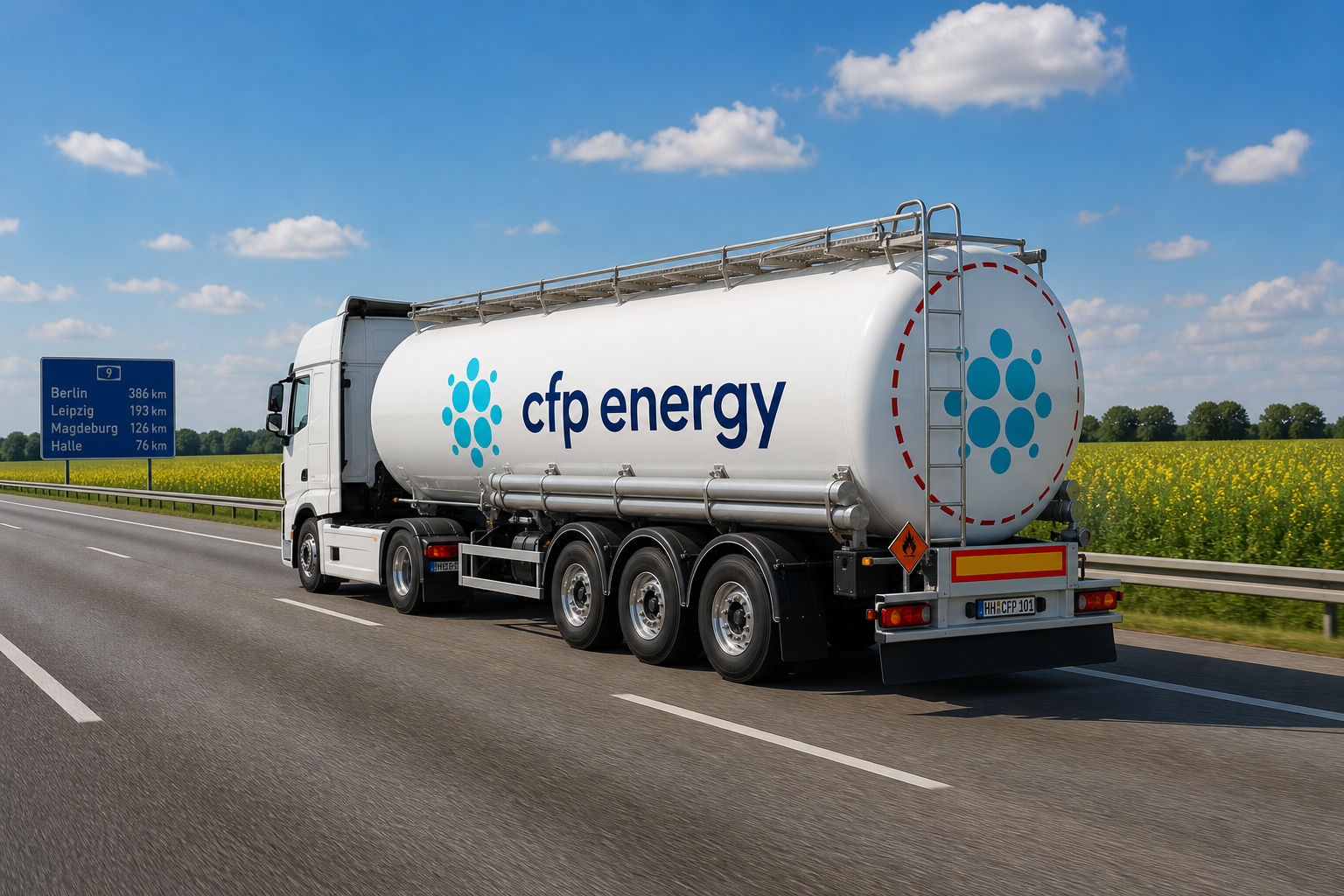
Chemically identical to natural gas
RED III, FuelEU Maritime, the EU ETS, national heating rules and voluntary reporting frameworks each set their own rules for what counts. Different certificates suit different markets.
If you buy the wrong product, it may not count towards your obligation at all. CFP Energy makes sure you buy the right one.
RED III · BIO-CNG · BIO-LNGMeet renewable fuel targets with bio-CNG and bio-LNG for your existing gas-powered fleet.
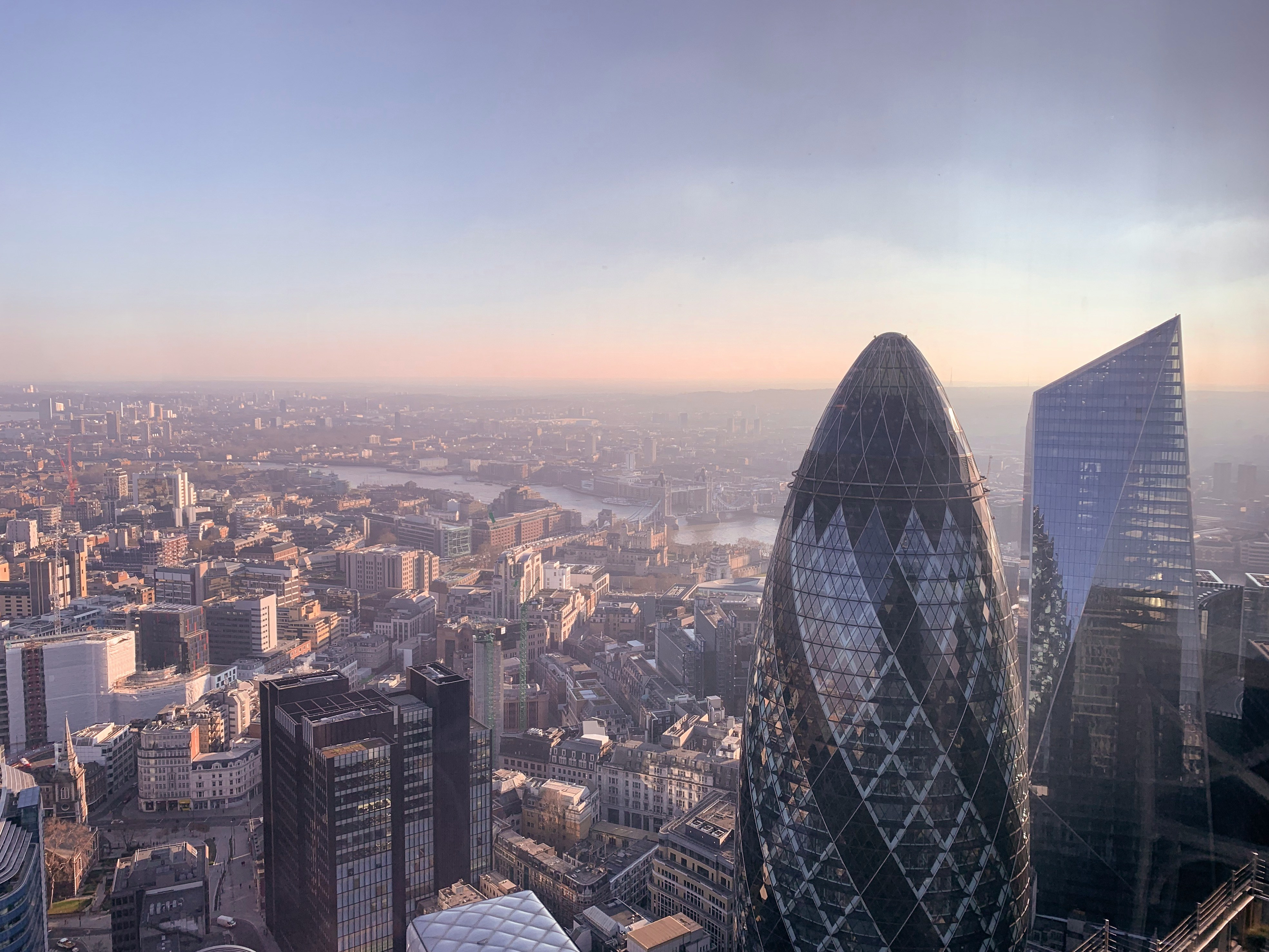
NATIONAL HEATING RULESSwitch buildings and district heating to renewable gas, with supply matched to national requirements.
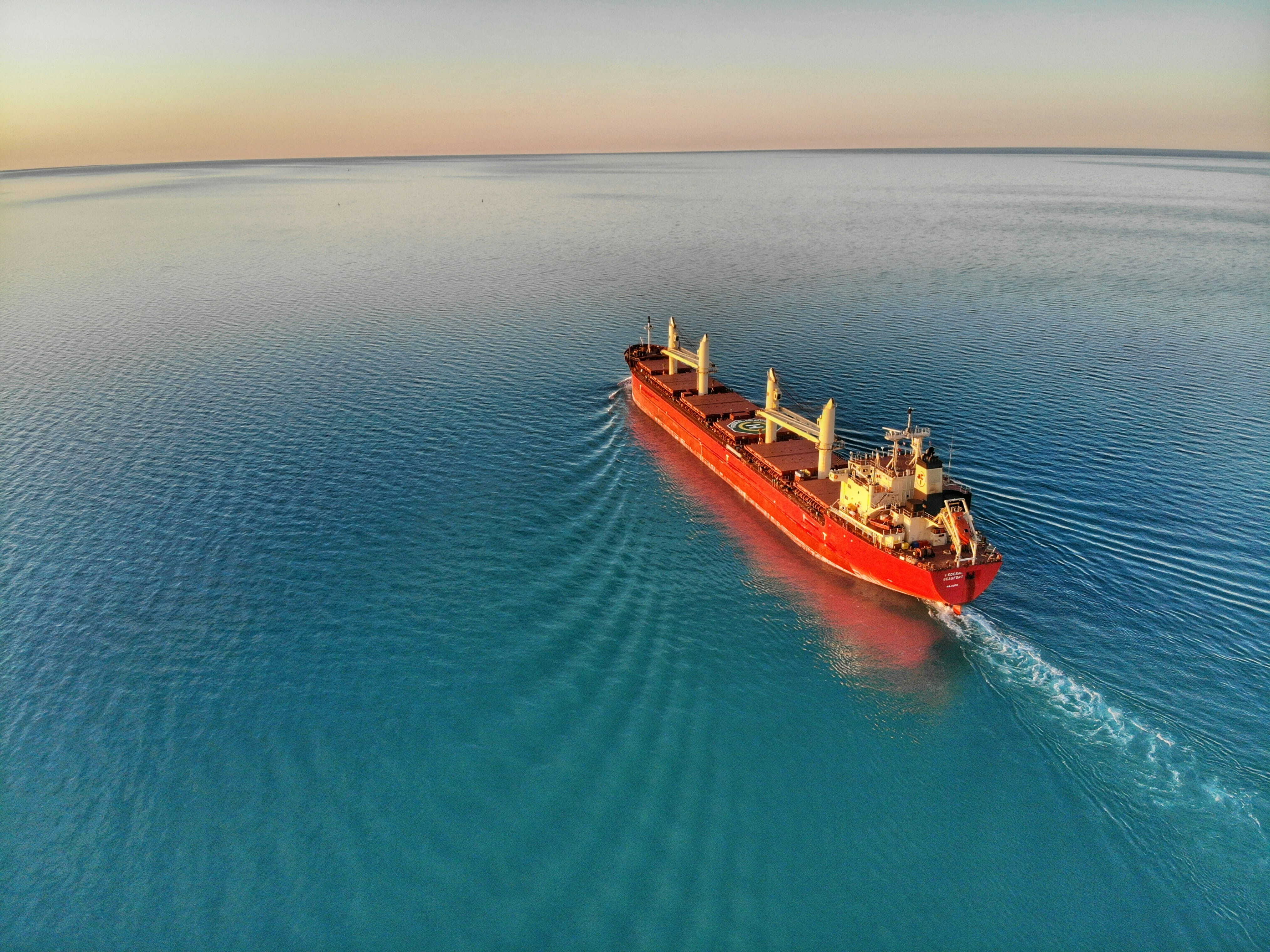
FUELEU MARITIME · EU ETSSource bio-LNG for your LNG-fuelled vessels, with guidance on FuelEU Maritime and EU ETS requirements.
VOLUNTARYSupport your emissions commitments with auditable biomethane certificates for your gas use.
We map the regulations and climate commitments that apply to you, and confirm which certificates and supply models will count towards them.
We build a buying plan around your budget, timeline and risk appetite: spot or multi-year, fixed or indexed, certificates or physical supply.
We source certified biomethane through our European network and handle the contracts, certificate transfers and registry administration.
We track regulatory changes and adjust your strategy as they happen, so your position holds up as the requirements tighten.
A drop-in replacement for natural gas.
Certified, traceable volumes that hold up to audit.
Where it’s eligible, biomethane counts as zero-rated under the EU ETS.
Longer-term contracts can reduce your exposure to fossil gas and carbon prices.
Get ready for obligations that are already scheduled to tighten.
CFP Energy supplies certified biomethane across Europe. We help transport, heating and maritime businesses, as well as corporates and industrial companies, cut emissions from their gas use without changing their infrastructure.

CFP Energy and carbon market analysts, Veyt, recently presented to ETS operators focusing on the sub…

If you haven't been closely watching the EU Emissions Trading Scheme (EU ETS) lately, now is the time to g…
.png?width=608&name=CE%20Events%20(21).png)
CFP Energy has once again been recognised for excellence in carbon markets in the Environmental Market Ran…

Biomethane is a renewable gas made by upgrading biogas from organic waste, such as farm residues, food waste and sewage sludge. It’s almost pure methane, so it’s chemically identical to natural gas. It can be injected into the existing gas grid and used in the same boilers, engines and industrial processes, with a much lower carbon footprint.
Biogas is the raw gas produced when organic waste breaks down without oxygen. It’s usually 50–65% methane, with the rest mostly CO₂. Biomethane is biogas that has been “upgraded” to remove the CO₂ and impurities. That brings it to grid quality, so it can replace natural gas directly.
Yes. Biomethane and renewable natural gas (RNG) mean the same thing. “RNG” is more common in North America, and “biomethane” or “green gas” is more common in Europe. All three describe upgraded biogas that can be used in place of fossil natural gas.
Most biomethane is produced by anaerobic digestion. Microorganisms break down organic material in sealed tanks and release biogas. The biogas is then upgraded by removing CO₂, water and other impurities. The result is grid-quality biomethane, which can be injected into the gas network or liquefied into bio-LNG.
Biomethane is low-carbon, but it isn’t automatically carbon neutral. When it burns, it releases CO₂ that the original organic material absorbed recently, rather than fossil carbon. Its full lifecycle emissions depend on the feedstock and the production process. Some waste-based biomethane, especially from manure, can have a negative carbon intensity because it stops methane escaping into the atmosphere.